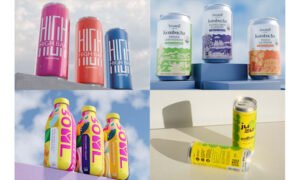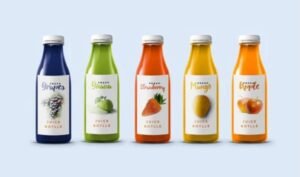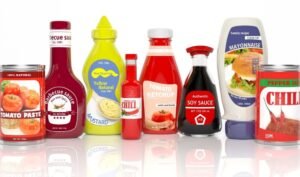
Upscale brands do not survive on the strength of their products alone; they are built on insight and awareness. In highly competitive markets, seemingly small things like a label can make a huge impression on consumers and may be the very first visual thing they notice about your brand. It may boil down to how premium labels are made.
When you speak of behind-the-scenes creation, it can be a summation of many things, such as crafting, materials used, designs, printing, state-of-the-art technologies, and so on. From the very texture of the material used for packaging to the information on the label, every minuscule detail matters when you are promoting your brand.
When you spare a thought to what attracted you to the bottle of cosmetic cream you bought last week, maybe it was the fancy label that influenced your final decision to purchase the product. That is the power of a good premium label; it can act as a leverage for its brand.
In this hyper-competitive digital market and crowded shelves, labels are considered as impactful sellers who communicate the plus points, such as exclusivity and premium luxury, to the shoppers. For example, an embossed logo or a high-quality textured paper can influence the mind of the consumer and bring attention to its fine, premium state, subtly enhancing the value of your brand.
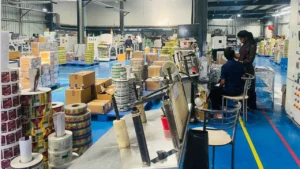
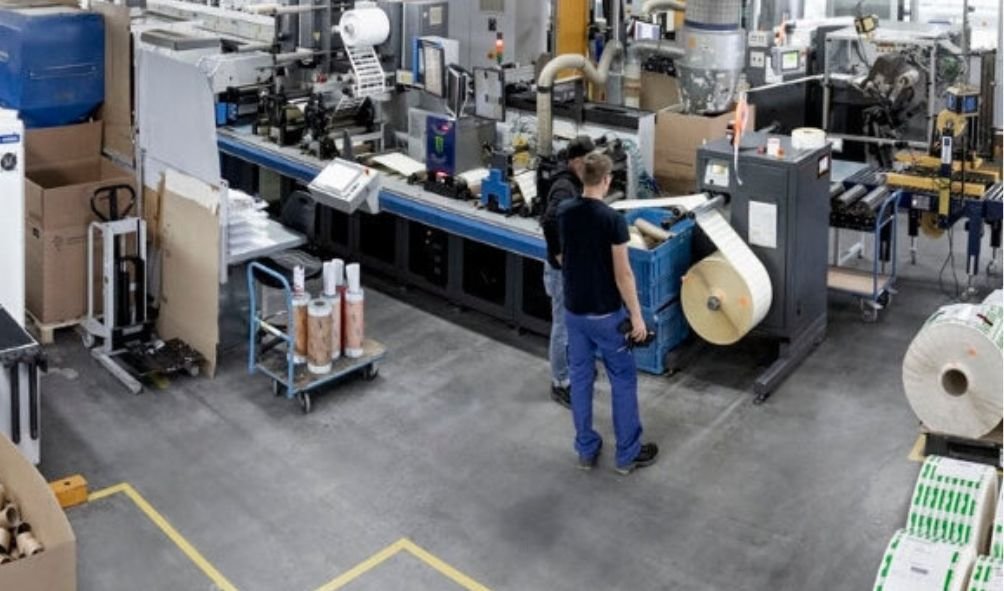
Do you wonder how labels are manufactured? Well, labels are created or designed carefully after a lot of strategic planning. Labels are produced through a multi-step process. It involves designing, printing, the application of adhesives, and die-cutting. After that, the materials are printed, cut into perfect shapes or sizes, and it is wound around a cylindrical core (finished onto rolls).
Designers plan together with others, like creative heads and printing experts, to make a visual reality. All kinds of fonts, icons, colours, and add-on effects are selected to match the brand image. It helps enhance the brand’s identity, its personality, and elegance.
For instance, a glass bottle-making company may go for the fine-quality textured paper with vibrant prints. It is the creative stage that sets the ball rolling; it is verily the basic foundation. It doesn’t matter how superior your printing process is; if the label design is faulty, it can spoil everything and never translate your brand’s grandeur to the end consumers.
A premium label always begins with choosing the ideal material. Normal materials may be sufficient for everyday products, but if you have a premium brand, then it is your responsibility to make the product packaging look grand and distinctive.
You can choose fine textured papers, metallic foils, or sleek transparent films. The choice of material can directly influence consumer perception. A premium wine label must be moisture-proof and resist abrasions. Likewise, a luxury cosmetic label must feel velvety and soft yet be oil-proof. Luxury brand businesses all over the world often request premium labels that are sustainable and can endure climatic changes.
How are premium labels made? Is it entirely on the use of correct materials? No, the right printing process is also necessary for making premium labels. Printing skills include offset, flexographic, and digital printing.
A premium label printing process mainly depends on the type of finishes. Let’s explore some of the finishes:
There are advanced printing techniques, leaving no room for errors, and also offering a multi-sensory experience to viewers. Printing machine accuracy and superior craftsmanship are also critical tools in producing premium label creations.
Label printing techniques also involve variable data printing or VDP. This helps each label carry distinct QR codes or serial numbers. Several industries, such as pharmaceuticals and FMCG labels, use such unique serial numbers to fight counterfeit products. Such VDP prints are also produced for engagement purposes with customers, such as beverage or coffee brands that have barcodes linked with cute storytelling clips. Combining tactile luxury with customer interaction is an ideal printing method to make premium labels.
After printing, luxury brand labels have to pass through quality control or QC. Once the premium labels pass stringent inspection procedures, they get into the finishing stage. In this stage, they are die-cut or trimmed into the correct shapes. Labels are delivered in different forms, such as rolls, sheets, or special custom packaging.
Premium labels are manufactured after passing through meticulous procedures, including designing, material selection, advanced printing techniques, variable data, quality control, and end finishing. Innate luxury is in the finer details, appealing to customers before they decide to purchase.
At Prakash Labels, we are focused on crafting premium luxury experiences for our valued customers. If you wish to create superior premium labels in India, partnering with Prakash Labels can be the best idea to convert your label into an impressive asset.
Screen printing labels simply means pressing ink via a fine mesh stencil on the label surfaces. It can also be done onto the product packaging like cosmetic bottles. Every colour has a specific mesh screen to create distinct, durable, and vibrant designs.
Luxury or premium labels are made of exclusive materials like silk, high-density polyester threads, metallic foils, embossing, heavy woven canvas, or textured substrates.
Luxury labels include premium finishes such as embossing, foil stamping, or textured substrates.
The advanced printing techniques, such as flexographic, offset, and digital printing, along with luxury finishes, are commonly used to create premium labels.
To set the gold standard in deluxe or high-end clothing, it is done by weaving the finest threads of polyester or silk together. This creates a wonderful, durable, and soft-feel woven label that never fades.