A product label is the rupee-or-two afterthought that can quietly undo a Rs 200 product. When it peels off a chilled bottle, smudges in a humid Noida warehouse, or misses a mandatory FSSAI declaration, the cost lands far downstream of what the sticker cost to print. Knowing how to choose product labels is not a design question first. It is an engineering and compliance question: you are matching one small component to the physics of your product, your supply chain, and Indian packaging law. Get that order right and the design part becomes easy.
At Prakash Labels we have spent 30+ years printing labels for FMCG, pharma, liquor, lubricant and cosmetic brands, and one mistake keeps recurring: a brand picks a material because it looked good on a competitor’s bottle, then finds it curls in a cold chain or fails a scan. Below is the framework we use on a live enquiry.
Describe where the label will live. Four variables decide most of what follows.
Surface: glass, HDPE, metal and a squeezable tube each grip an adhesive differently.
Moisture: immersion, condensation and a steamy bathroom sit far from a dry biscuit carton on the water scale.
Temperature: a frozen paratha pack, an engine-bay lubricant and a room-temperature face cream each want a different adhesive chemistry.
Shelf life and abrasion: two years of transit rub and sunlight demand far more than a product sold within a month.
Write those four answers down; the rest is largely reading them back.
Match the label to the product and environment
This table is the shortcut our estimators use to turn those four answers into a specification.
Product or environment | Face material | Adhesive | Format | Typical print method
Dry food carton, indoor, short shelf life | White gloss paper | Permanent | Pressure-sensitive | Flexo at volume, digital for short runs
Cold-drink or beverage bottle, condensation | BOPP (PP) film | Permanent, moisture-rated | Pressure-sensitive or wrap-around | Flexo
Frozen or cold-chain pack | Polyester (PET) or PP | Freezer-grade | Pressure-sensitive | Flexo or digital
Squeezable tube (shampoo, gel, sauce) | Polyethylene (PE) film | Permanent, flexible | Pressure-sensitive | Flexo or digital
Cosmetic or liquor, premium shelf | Clear PP or metallized | Permanent | Pressure-sensitive or shrink sleeve | Screen, or flexo with foil
Picking the best label material is mostly a durability-versus-cost call.
Paper is the economical workhorse: white gloss paper suits dry food cartons and takes ink cleanly on glass, plastic and metal, but it will not survive water, oil or a freezer.
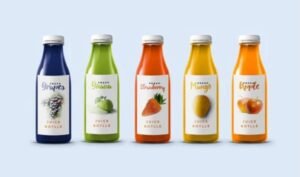
Polypropylene (BOPP/PP) film is the default for anything wet, oily or roughly handled, resisting water, oil, chemicals and abrasion, which is why we print it for haircare, liquor, cosmetics and pharma. Clear PP gives the no-label look premium brands want.
Polyethylene (PE) is the film for squeezable packs: soap, shampoo and gel bottles flex when used, and PE flexes with them rather than wrinkling, staying moisture-proof and colour-stable.
Polyester (PET) is the ruggedised choice for extreme temperatures, solvents and outdoor exposure; its matte top-coat resists scuffing and chemicals. Explore our full range of label types to match each datasheet to your four answers.
Our position: if the product ever gets wet, cold or oily, do not start from paper to save a rupee. As our label case studies show, we engineered a temperature- and peel-resistant label for Paytm that held on shops’ glass storefront doors through wide heat swings, at an optimised cost rather than a premium one.
The adhesive is invisible until it fails. Three families cover most product labels.
Permanent adhesive is the default for retail products meant to carry their label for life; it bonds hard and does not peel away cleanly.
Removable adhesive lifts without residue, which suits promotional stickers, returnable crates and washed produce.
Freezer or deep-freeze adhesive keys onto cold, damp surfaces where standard permanents let go. If any part of your chain is a cold room or frozen shelf, say so before you quote; retrofitting an adhesive after a batch has lifted in transit is the expensive way to learn this.
Product label types: pressure-sensitive, shrink sleeve or wrap-around?
The format is how the label meets the container; common product label types trade off cost, coverage and machinery.
Pressure-sensitive self-adhesive labels are the versatile majority: a printed face, adhesive and liner applied to almost any rigid surface, and the right default for most brands.
Shrink sleeves wrap a printed film around the whole container and shrink to its contours with heat, giving 360-degree graphics and tamper evidence on awkward shapes.
Wrap-around labels circle a straight-walled bottle or can with a near-continuous join, maximising print area on cylinders at high line speed.
For a standard cylindrical jar, a pressure-sensitive or wrap-around label is cheapest; a complex curve or full-body branding justifies a sleeve.
Label printing options by order volume
Cost per label is won or lost here, and quantity matters more than artwork. Prakash runs three label printing options under one roof, and the right one turns on volume and durability.
Digital printing uses no plate, so setup costs are nil and artwork changes are cheap, making it the economical pick for short runs, many SKUs, versioned artwork and variable data such as batch numbers or QR codes.
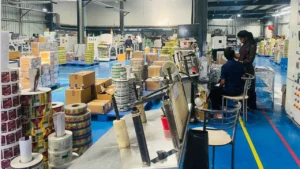
Flexographic printing sets a plate once, then runs at high speed and prints, varnishes, laminates and die-cuts in a single pass; the plate cost is negligible spread over a large job, so flexo wins on long, repeat runs, and our press team has more than 25 years on it.
Screen printing lays a thick, durable ink film that resists moisture and outdoor wear and allows tactile and braille effects. It is slower and richer, reserved for premium or harsh-environment work. Prakash is among the few Indian label printers still offering it; we used it for Willowood Crop Science, giving their agro-chemical packaging the shelf appeal and field durability it lacked.
Rule of thumb: below a few thousand labels, digital is usually cheapest all-in; into the tens of thousands with stable artwork, flexo pulls ahead; choose screen when durability or texture is the point, not the price.
Finishes and label design tips that earn shelf attention
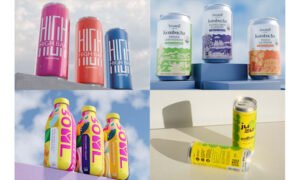
Finishing is where a label sells, and the most useful label design tips are restraint-led. Use foil stamping and embossing to signal premium on liquor, cosmetics and gifting, where a raised metallic cue beats a brighter colour. Reach for metallized or silver stock for reflective shelf pop that still resists moisture and solvents. Choose a clear-on-clear, no-label look when the container itself is the hero.
One tip that saves reprints: leave uncrowded space for the barcode and mandatory legal panel before finalising art, or a label that will not scan goes back to the studio.
The information you are legally required to print
In India, artwork is not finished until the legal block is correct, a step first-time D2C founders underestimate.
Under the Legal Metrology (Packaged Commodities) Rules, 2011, every pre-packaged commodity must declare the manufacturer, packer or importer name and address, the common name of the commodity, net quantity, the month and year of manufacture, the MRP inclusive of all taxes, consumer-care details and country of origin. The rules exempt packages above 25 kg or 25 litre and purely industrial or institutional supply.
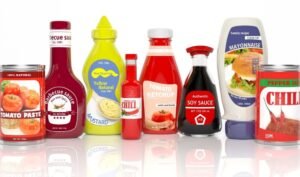
Sell food, and the Food Safety and Standards (Labelling and Display) Regulations, 2020 add the name of the food, the full ingredient list, nutritional information, allergen and additive declarations, the veg or non-veg mark, the FSSAI logo and licence number, a batch or lot number, and the date of manufacture with an expiry or use-by date. Pharma, cosmetics and agro-chemicals carry their own statutory marks on top.
Our position: settle material and format early, but freeze the artwork only after a compliance sign-off. A relabelling recall costs more than every other decision in this guide put together.
MOQ and cost: what actually moves your per-label price
Plate-based processes and specialised films carry fixed setup costs, so the smaller the run, the more of that cost each label absorbs. Four levers move your price the most: consolidate SKUs onto a shared material and size so they print together; use digital for small or changing runs to skip plate charges; commit to flexo volumes only once artwork is stable; and give the printer the full brief up front, because a mid-run change of material or adhesive is where budgets break.
A good partner tells you when a cheaper spec is enough and when it is false economy, which our repeat FMCG procurement clients call the difference between a vendor and a partner.
What is the best label material for bottles that get wet or refrigerated?
A polypropylene (BOPP) or polyester film with a moisture-rated adhesive. Paper wicks water and lifts; PP and PET stay put and hold colour. For freezer or cold-chain products, ask for a freezer-grade adhesive at the quote stage.
How many labels should I order to make printing worthwhile?
There is no legal minimum, but economics reward matching the process to the volume. Small or trial batches suit plate-free digital printing; large, repeating runs are cheapest on flexographic presses. Ask your printer for the break-even quantity on your artwork.
Do my product labels legally need the MRP and manufacturing details?
Yes. The Legal Metrology (Packaged Commodities) Rules, 2011 require the MRP, net quantity, manufacturer details, manufacturing date and consumer-care information on pre-packaged goods, and food products additionally follow the FSSAI labelling regulations.
Can one label design work across my whole product range?
Usually for the artwork, rarely for the specification. One visual identity can span every SKU, but a shampoo tube, a glass syrup bottle and a frozen pack may each need a different material, adhesive or format beneath the same look.
Get your label specification right the first time
Choosing a label well is a sequence, not a guess: read the product’s environment, pick the material and adhesive that survive it, choose a format and print method for your volume, add finishes, and lock compliance before you print. Reverse that order and you pay in reprints, rejected batches or recalls.